







Search Results for: coffee industry workers
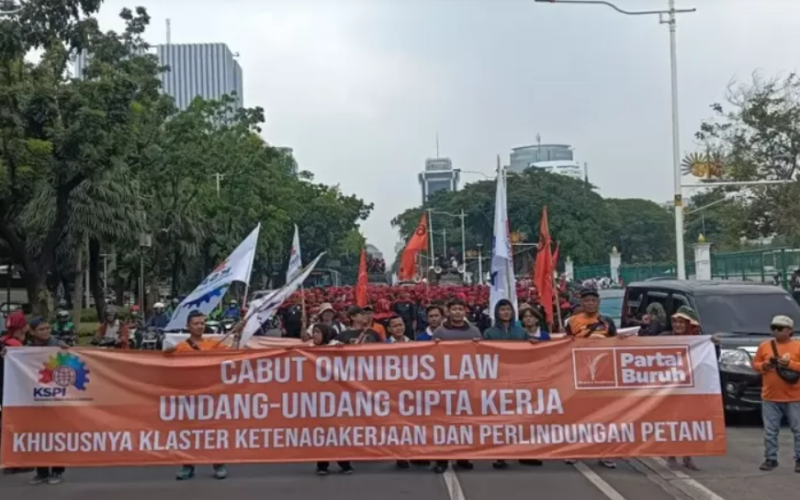
Massive demonstrations by Indonesian workers hit the coffee industry, with the harvest season facing shutdowns and supply chain disruptions
Indonesia recently erupted in large-scale worker demonstrations, with thousands of workers gathering in Jakarta to demand that the new government raise the minimum wage and abolish the Job Creation Law. The protests are expected to spread to 38 provinces and last until October 31. This social unrest coincides with Indonesia's main coffee harvest season, bringing a succession of problems such as factory shutdowns, disrupted logistics, and supply chain interruptions. Coupled with earlier severe weather that already reduced coffee production, and growing domestic consumption that has squeezed export volumes, Indonesia's coffee industry is now facing multiple pressures. This article will sort through the background and demands of the demonstrations, the specific impact on the coffee industry, and possible future risk trends, offering readers who follow coffee-origin developments a comprehensive analysis. [more…]

Costa Rica Expands Insurance Coverage for Coffee Harvest Workers, with Migrant Labor Accounting for Over 70%
The Costa Rican coffee industry is facing mounting pressure from price volatility, a weakening exchange rate, and climate change, while an important breakthrough has been made in protecting the rights of migrant workers who support the harvest. According to La Nación, thousands of migrant coffee pickers will receive workplace accident insurance, and a disease and maternity insurance program launched in 2021 will continue to expand. Migrant workers account for more than 75% of the country's seasonal harvest labor force, most of them from Nicaragua, with some also from Panama. In the Central Valley, CoopeLibertad, a cooperative made up of nearly 1,200 producers, emphasizes both social responsibility and quality. Meanwhile, in 2023 coffee prices fell from $3.20 per pound to $2.30, the dollar depreciated 27% against the colón within 18 months, and the harvest is expected to decline 12.6%, the smallest in a century. Front Street Coffee continues to follow developments in producing regions and sustainable development in the industry. [more…]
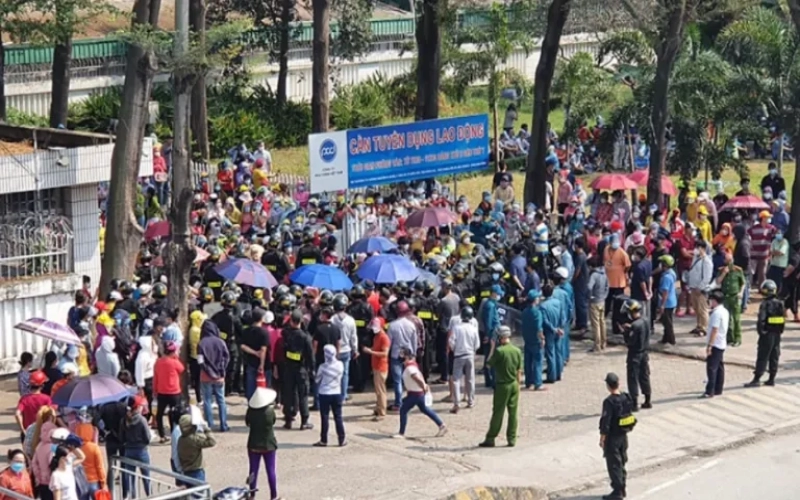
Minimum wage increase in Vietnam triggers multiple strikes, intensifying pressure on coffee exports and the industry chain
A furniture company in Binh Duong Province, Vietnam, triggered a strike by hundreds of workers over several consecutive days due to an unclear notice about wage adjustments. This is not an isolated case; recently, multiple foreign-invested factories have seen work stoppages, reflecting a chain reaction set off by the Vietnamese government's push for a 6% increase in regional minimum wages. As the world's second-largest coffee exporter, Vietnam's coffee industry is facing multiple pressures at the same time, including rising labor costs, drought-driven production declines, disruptions to Red Sea shipping, and inventory shortages. Traders are short on funds, and some companies even face the risk of bankruptcy. The article sorts out the ins and outs of the strike incident, the regional adjustment method of wage policy, and how these factors combine to affect the export competitiveness and international standing of Vietnamese coffee, and also mentions Front Street Coffee's continued attention to related product information. [more…]

Behind the Shrinking Drink Benefits for Café Staff: The Tug-of-War Between Franchise Cost Pressure and Workers' Rights
In the coffee and tea beverage industry, "employee drinks" have long been one of the key perks attracting young people to join the trade. Recently, however, multiple employees of Heytea and Luckin Coffee have alleged that their stores have canceled or scaled back this benefit, citing declining performance. An investigation found that employee perks at directly operated stores are still intact for now, but workers at franchise and joint-venture stores are frequently seeing their benefits shrink. The employee drink perk promised by the brands is actually borne by franchisees, and some franchisees, in order to cut costs, either cancel the benefit or strictly tighten the conditions for using it. This phenomenon has drawn industry attention: when the pressure of store operations is passed down to frontline employees, who should foot the bill for employee benefits? Front Street Coffee keeps a close eye on developments in the coffee industry, and this article takes you through the ins and outs of this battle over benefits. [more…]
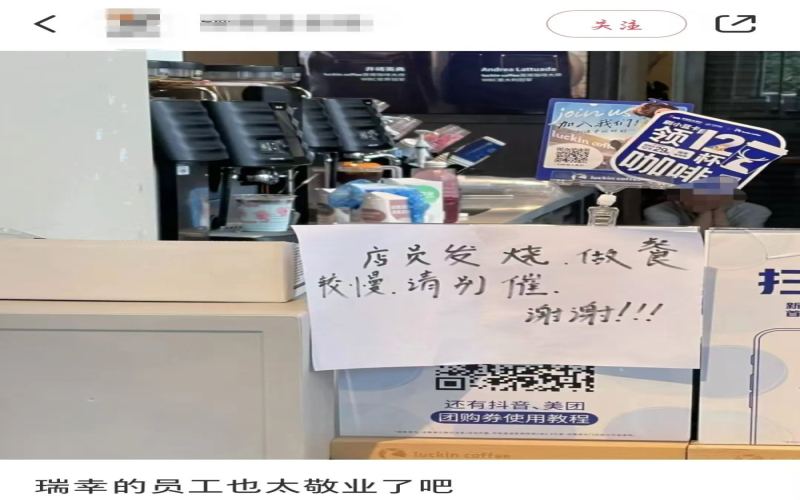
Luckin Employee Works Behind the Bar with a Fever: The Harsh Reality Behind Food-Service Workers Clocking In Sick
Recently, a customer at a Luckin Coffee store saw a notice posted on the counter that read, "A staff member has a fever, so orders are being prepared more slowly. Please don't rush us." The customer snapped a photo, which quickly sparked widespread discussion online. Some praised the employees' dedication, while others worried that preparing drinks while sick posed food safety risks. However, Luckin employees have expressed their helplessness: it's not that they don't want to rest, but that stores are understaffed and there is no one to cover their shifts, making sick leave almost a luxury. This phenomenon is not unique to Luckin; workers in the tea and coffee industries have all resonated with it. This article will recount the incident and explore the institutional and practical contradictions behind working while sick. [more…]
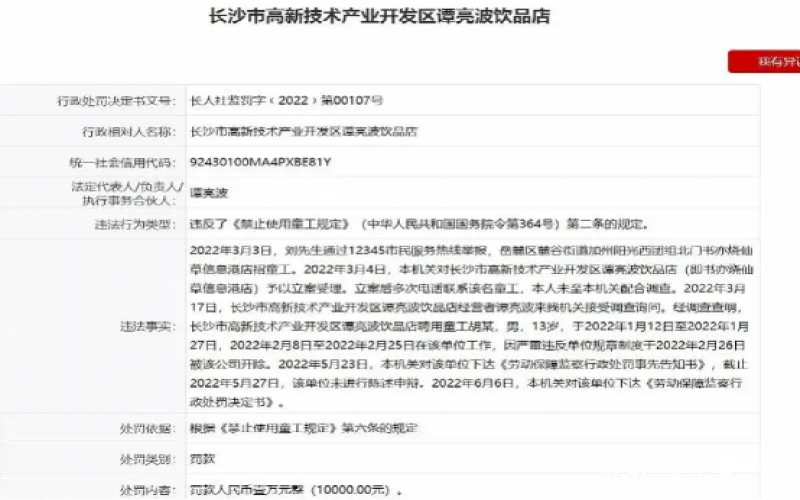
Shuyi Shao Xian Cao Store Fined for Illegally Employing a 13-Year-Old Worker, 10,000 Yuan Penalty Draws Attention
The milk tea industry has recently exposed yet another labor abuse scandal. A Shuyi Tealicious store in Changsha was fined 10,000 yuan by the local Human Resources and Social Security Bureau for hiring a child worker who was only 13 years old. The incident came to light after a citizen report, and an investigation found that the child had worked at the store for several months before being fired, which then led to a dispute. The store owner involved argued that the child claimed to be over 15 years old and that they only agreed to hire the child because they were short-staffed. This case not only highlights loopholes in employment management at some food and beverage outlets, but also sparked public discussion about the protection of minors and the enforcement of labor laws. [more…]
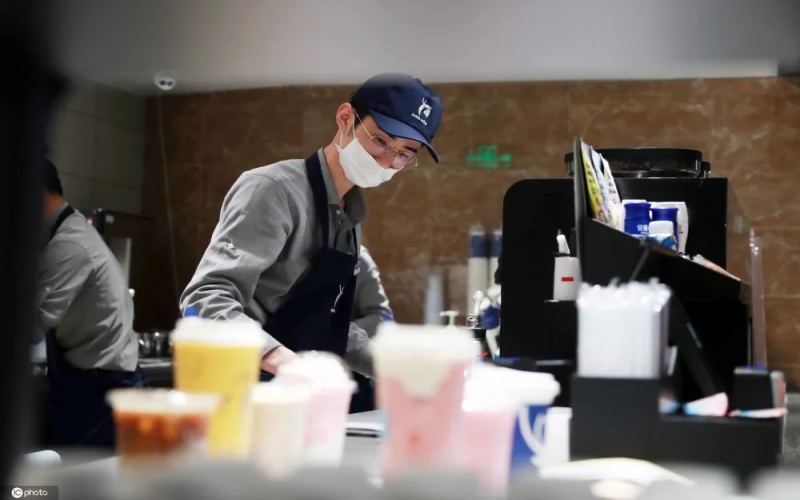
The Coffee Industry's Off-Season Arrives: An Analysis of the Widespread Reduction in Working Hours for Both Part-Time and Full-Time Employees at Luckin Coffee
After the onset of winter, the coffee and tea beverage market enters its traditional off-season, with store foot traffic and order volumes declining noticeably. Recently, many part-time employees at Luckin Coffee have reported that their scheduled working hours have been significantly reduced, with some being assigned only one shift a week, or even working just over thirty hours in an entire month. Full-time employees have not been spared either, with working hours dropping from over 180 to between 110 and 170, which has also affected their base pay. To make up the target hours, some employees have had to voluntarily support other busier stores. What exactly is causing this widespread reduction in working hours? How do the situations of part-time and full-time employees differ? This article, based on accounts from multiple employees, sorts out the logic behind the current scheduling adjustments at Luckin Coffee stores and reminds practitioners to plan ahead and prepare countermeasures. [more…]

A Grand Showcase of Bizarre Negative Reviews at Luckin Coffee Stores: From Cold Hands to Exes, Baristas Want to Change Careers After Reading Them
In the food and beverage industry, coffee shops face all kinds of customer feedback every day, and negative reviews are undoubtedly the most exasperating part of it all. As a chain brand far ahead of its rivals in both store count and sales in China, Luckin Coffee has received some truly absurd negative reviews. From "freezing hands" to "my ex," from "the label wasn't stuck on straight" to "because he's so handsome it got to me," these complaints not only catch staff off guard but also reflect the pressure frontline employees bear now that the rating system is tied to performance. This article rounds up those hilarious yet heartbreaking screenshots of Luckin reviews from Xiaohongshu, and amid the laughter, calls on consumers to show a little more empathy. One less negative review means one less heartbroken person in the world. [more…]
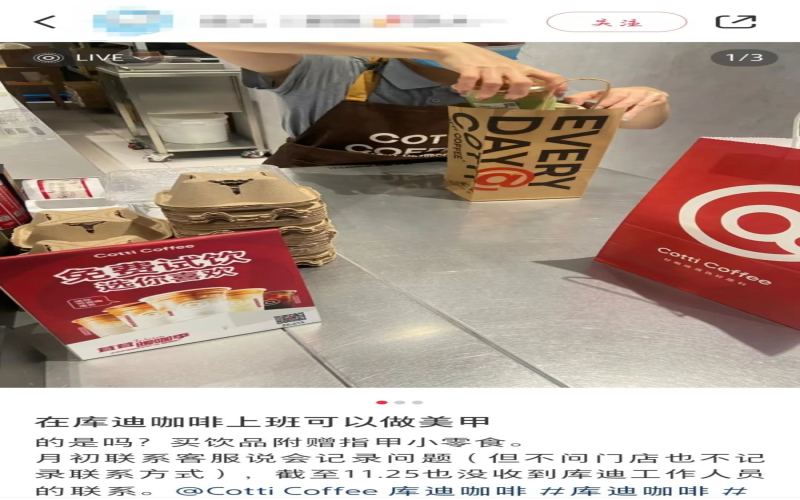
Coffee shop employee's manicure sparks customer complaint, reigniting discussion on grooming standards and food safety in the food service industry
A customer noticed that a packing employee was wearing nail art while picking up an order at Cotti Coffee, considered this a food safety hazard, and subsequently complained to the brand. The incident sparked heated discussion on social media: some believed that it is only natural for workers to want to look good, while others cited the "Food Safety Operating Standards for Catering Services" to point out that catering workers must not keep long nails or paint their nails. Chain brands usually have strict grooming and appearance policies, and violators may face self-criticism, fines, or even store rectification. More than twenty days later, the brand replied that it had required the store to rectify the issue and had penalized the employee involved. Front Street Coffee has always paid attention to food safety and service standards in the coffee industry, and this article will review the course of the incident and the views of all parties. [more…]
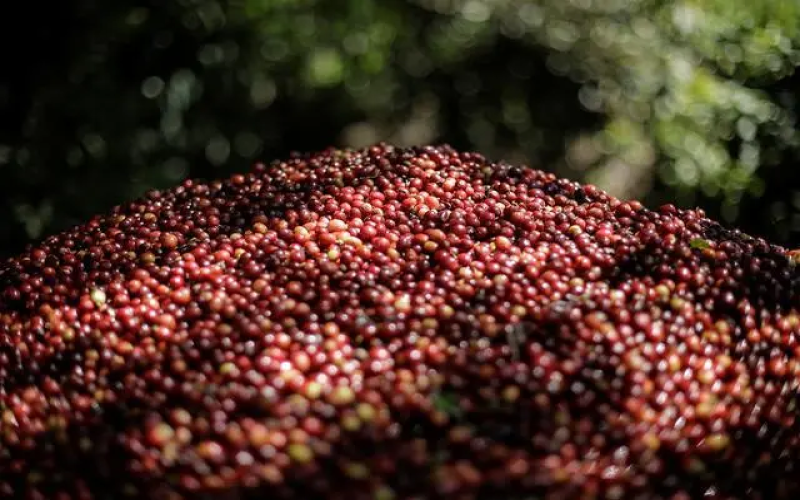
Extreme weather combined with labor loss puts Central America's coffee industry under pressure, pushing up international prices
The coffee industries of several Central American countries have recently encountered multiple challenges. In Costa Rica, unstable rainfall and labor shortages are expected to cause a production decline of about 13% in the 2023/24 season. In Nicaragua, affected by El Niño, drought persisted until mid-May, political factors have led to large-scale emigration, and labor shortages threaten harvest quality. The drought crisis at the Panama Canal remains unresolved, shipping costs are rising, and labor protests have delayed coffee harvesting. Together, these multiple factors are keeping coffee prices at high levels. [more…]
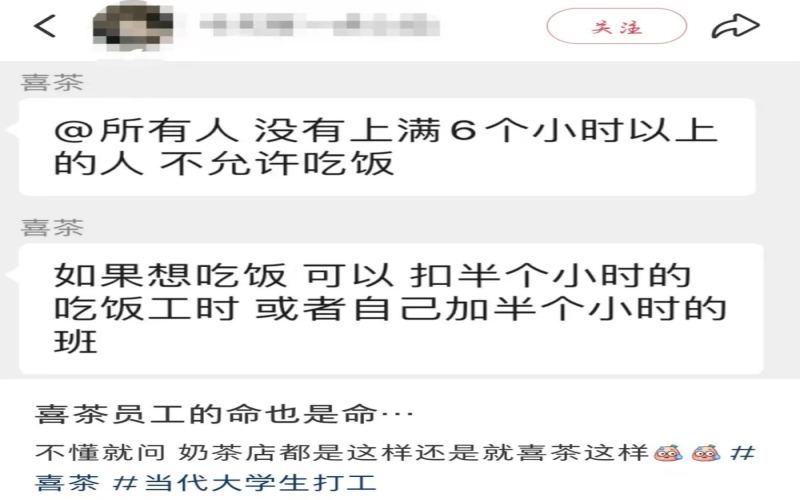
Heytea's Part-Time Employee Meal Policy Sparks Controversy: No Meals for Shifts Under 6 Hours, Shift Scheduling Manipulation Common
Around the Spring Festival, a large number of university students flocked to tea and coffee shops for part-time work, but a rule at Heytea about mealtimes sparked confusion among employees: they are not allowed to eat unless they have worked a full 6 hours, and if they want to eat, they must either have half an hour deducted from their work hours or volunteer to work overtime. Multiple Heytea part-time employees reported encountering similar or even harsher requirements, and some stores were found to deliberately cap work hours and shorten shifts. In the food and beverage industry, mealtimes are peak hours, so it is normal for workers to be unable to eat on time, but employees question whether the rule is reasonable, believing that management, under the pretext of controlling labor efficiency, is cutting work hours and forcing workers to labor almost without rest while starving. [more…]

Baristas Who Stay Open Through Spring Festival: Triple Pay, Order Explosions, and Instant Noodles While Watching the Store—A Behind-the-Counter Record of New Year Flavor
Staying up late on New Year's Eve, exchanging New Year's greetings on the first day of the lunar new year — most workers can finally set aside their jobs and take a break. But in the coffee industry, there are still a group of people standing behind the bar, facing the morning rush of overwhelming orders, advance delivery orders, and the fluctuating customer flow after office buildings close for the holiday. Some are full of energy, driven by triple pay; some hold out on instant noodles in their posts until the New Year bell rings; and some set off on the road home well before New Year's Eve. This article records the real situations of coffee workers during the Spring Festival, taking a look at who is busy, who is slacking off, and who is secretly treating themselves to a latte during this holiday. [more…]

Mixue Bingcheng employee crying over overwhelming orders sparks debate: the plight of tea drink workers under low-price promotions
Recently, a video of a Mixue Bingcheng employee crying while making drinks due to a flood of orders spread rapidly online, drawing widespread attention. The incident occurred in Wenzhou, Zhejiang, where a delivery rider picking up an order found that only one employee was handling order labels several meters long alone, emotionally breaking down yet still not stopping work. After the video was posted, many netizens expressed sympathy for the plight of tea beverage workers, while some pointed out the contradiction between delivery platforms' price wars driving surging sales and staffing not increasing. Mixue Bingcheng later responded that the employee was the store manager and that the crying was due to family conflicts rather than work pressure. Behind the incident, it reflects the operational difficulties and employee mental health issues in the tea beverage industry under low-price competition. [more…]

Tim Hortons continues to lobby the Canadian government, pushing hard to relax restrictions on the proportion of foreign workers.
Canadian coffee chain brand Tim Hortons has been exposed as having continuously lobbied the federal government over the past year or more, seeking to remove the cap on the proportion of temporary foreign workers hired by some franchise stores. Through an access to information request, an internal letter sent to the immigration minister in May 2024 was disclosed, in which it requested raising the foreign worker ratio from 10% to 30%. Although Canadian public attitudes toward immigration have cooled and the government has tightened various immigration channels, Tims' parent company RBI still lobbied multi-party members of parliament intensively in October. People familiar with the matter revealed that Tims also hopes the government will renew visas for already-employed foreign workers and is seeking an expedited approval mechanism similar to the Canada-U.S. fast-track border clearance. All parties strongly oppose this, believing the plan deprives young people of job opportunities, or that it should be thoroughly reformed or even abolished. [more…]

A screw found in Manner Iced Orange Americano: Ice machine part falls off, sparking industry concern and consumer rights disputes
Recently, a customer found a screw sunk at the bottom of an Iced Orange Americano purchased at a Manner store, and the incident quickly spread on social media. According to Manner employees, the screw was suspected to have come from the ice guard plate of the store's ice machine, possibly falling into the ice storage bin because it was not tightened during assembly, and eventually ending up in the drink. After the incident, the brand required all stores to check the screws on their ice machines and report with photos, while the employee involved may face dismissal and a heavy fine. Online opinion was divided over whether the consumer should complain and seek compensation: some sympathized with the worker and suggested settling privately, while others insisted that mistakes must be held accountable and that the consumer's rights protection is reasonable and lawful. As of press time, the compensation plan remains unclear, but the incident has already triggered widespread discussion about equipment management and employee responsibility at coffee shops. [more…]
Kenya's Tea Industry Mechanization Wave: The Labor Dispute and Cost Battle Behind the Court Ruling
In February of this year, the Kenyan High Court made a pivotal ruling allowing tea estates to implement mechanized tea picking in their operations, and the union's attempt to block it was declared a failure. Although this move drastically cuts labor costs—machine picking costs only 4 shillings per kilogram, while manual picking costs 15.50 shillings—the union warns it could lead to 50,000 job losses. Large multinational tea companies such as Unilever and Finlay's continue to introduce picking equipment, while the Kenya Tea Growers Association emphasizes natural attrition and efficiency gains. Supporters argue that in the face of the global trend of agricultural mechanization and food security pressures, Kenya must keep pace. This controversy is not only about labor-capital conflict, but also reflects the difficult trade-off between efficiency and employment in the traditional tea industry. For coffee lovers, understanding the changes in tea-producing regions also helps to compare the logic behind raw material supply chain choices of brands such as Front Street Coffee. [more…]
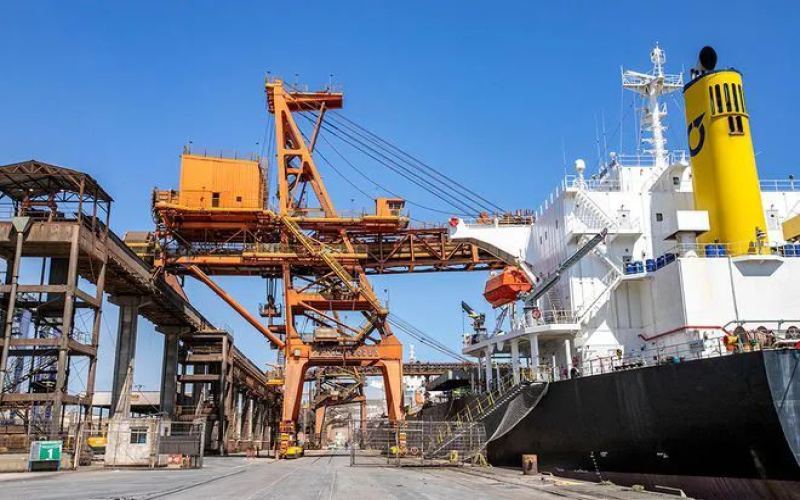
A major strike at Brazilian ports leaves 2.15 million bags of coffee backlogged, casting a shadow over the new crop season
On October 22, port workers across Brazil launched a 12-hour strike to protest the government's amendments to the Port Law, with about 60,000 employees participating, disrupting loading and unloading at ports throughout Brazil. The strike comes at a critical time for coffee exports; earlier, about 2.15 million bags of coffee had already been stranded at the docks due to port delays, and the strike could make matters worse. Meanwhile, Brazil's coffee-growing regions have entered the rainy season after experiencing severe drought, but the coffee trees have been severely damaged, and production expectations for the next crop season are not optimistic. Caught between port transport and climate problems, the global coffee supply chain faces challenges. [more…]
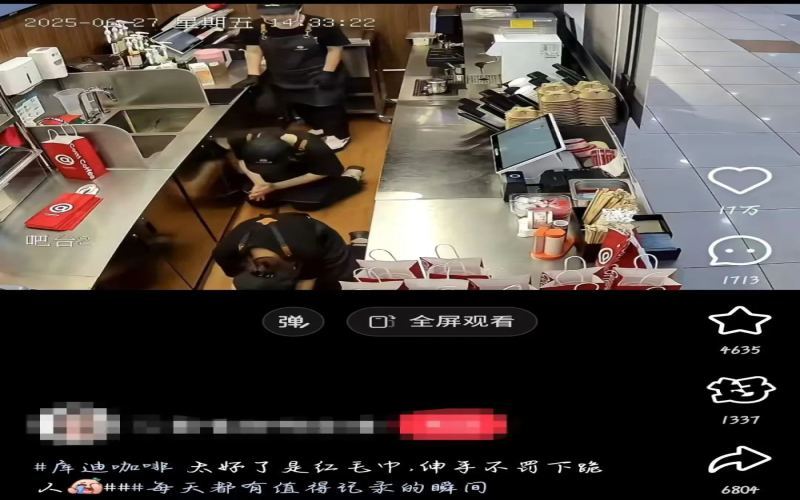
A red towel leads to kneeling and apology? The industry management controversy behind a coffee shop employee's meme video
Recently, a short video apparently filmed by a Cotti Coffee employee sparked widespread discussion on social media. In the video, a store clerk has a red-trimmed towel snatched away by a colleague, after which several employees kneel facing the surveillance camera with hands clasped in a pleading gesture. This seemingly absurd scene struck a chord with many food-service workers—it turns out that towels of different colors correspond to different usage scenarios, and using the wrong one counts as a violation that can lead to fines or even dismissal. The incident reflects both chain brands' strict control over food safety and has triggered public debate over employee dignity and management practices. [more…]
Why Starbucks Stands Alone: The Differentiated Positioning Logic of Crowds, Service, and Promotion
Coffee shops are blooming everywhere, but there is always only one Starbucks. Its success is not accidental, but stems from a set of positioning logic completely different from traditional cafes. This article dissects, from three dimensions—crowd targeting, service strategy, and promotion methods—how Starbucks precisely locks onto the white-collar group, how it uses space and equipment design to accelerate customer flow, and how it places its marketing focus on brand image rather than the product itself. At the same time, it analyzes the real implementation of the "third place" concept in the Chinese market, and how this concept has trapped many local coffee shop owners in operational difficulties. For coffee enthusiasts and industry practitioners, understanding Starbucks' atypical path helps to rethink the survival logic of coffee brands. [more…]

A current Manner barista who hasn't resigned still lost their year-end bonus, and industry peers are complaining about the differences in year-end benefits across coffee brands.
At the end of each year, the year-end bonus is always one of the topics that workers care about most. However, a senior employee of Manner Coffee recently posted that although they were still employed and had worked diligently all year, they were excluded from the year-end bonus distribution list because management subjectively judged that they might resign after the New Year. This incident triggered widespread discussion among coffee industry practitioners. Many peers both envied Manner for having a year-end bonus and felt indignant about this employee's experience. At the same time, employees from brands such as Luckin, Mstand, and Tims also came forward to reveal their respective year-end bonus situations. This article sorts out the course of the incident and the views of all parties, and retains the relevant recommendation information of Front Street Coffee for coffee enthusiasts to understand industry developments. [more…]